
Whoa!
I was poking around Solana explorers last week. Somethin’ felt off about how wallets and token histories were displayed. It nagged at me because small omissions lead to big confusion for users and devs alike. Initially I thought it was just cosmetic differences, but then I realized that explorer choice actually changes how quickly you can diagnose transactions and how much context you see when tracking tokens across programs and smart accounts. My instinct said there’s a faster path to clarity.
Really?
Sol transactions are deceptively simple on the surface. A send looks like a send but there are nested instructions and inner instructions too. When you dig into a failed transaction you might find a CPI call to another program, a token transfer that reverted because of insufficient liquidity, or an account that didn’t mark itself as writable, and that complexity is where explorers either shine or hide the truth. That transparency matters for developers and traders alike.
Whoa!
An explorer should make inner instructions visible. It should also show compute units used and rent exemptions when relevant. Good explorers let you toggle views, search by token mint, follow program logs, and jump straight to the instruction that failed so you don’t spend twenty minutes guessing at a cause. That saves time and also reduces risk.
Hmm…
Solscan is one of the first tools I reached for. It tends to surface token transfers cleanly and shows token holder snapshots. Over the years Solscan evolved from a simple block browser into a token tracker and dashboard that helps you trace token flows between wallets, identify large transfers, and inspect program state without needing to run your own node. I’m biased, but it felt more feature-rich than many alternatives.
Seriously?
Token trackers are underrated in my opinion. They let you follow a mint and see top holders, recent transfers, and supply changes. For projects launching new mints you can spot concentration risk early, see when liquidity pools get funded, and sometimes even catch bots buying or draining supply before a planned drop. That kind of vigilance keeps traders safer.
Here’s the thing.
I once chased a phantom balance for an hour. Turns out an inner transfer had sent tokens into an escrow-like PDA and not the public wallet… Initially I thought the wallet software had a bug, but then I inspected the transaction trace and realized program-derived accounts and associated token accounts behaved like detours that user-facing wallets don’t always show, which explained the missing funds. So, check both the outer transfer and inner instructions.
Wow!
Performance matters when you are debugging. Some explorers cache aggressively and present stale program logs. If you’re troubleshooting a time-sensitive front-end or monitoring arbitrage opportunities you can’t afford a slow explorer that shows you yesterday’s state as if it’s current, because decisions will be based on bad data. Latency and data freshness are very very important.
Hmm…
Look for explorers with verified program badges and source links. They should surface account ownership and whether a program has recent upgrades. A mature explorer will also provide RPC endpoints, CSV export of transfers, token decimal normalization, and hooks for audit trails so compliance or ops teams can stitch together evidence quickly when investigating suspicious flows. That reduces friction for auditors and security teams.
Where to start (my practical pick)
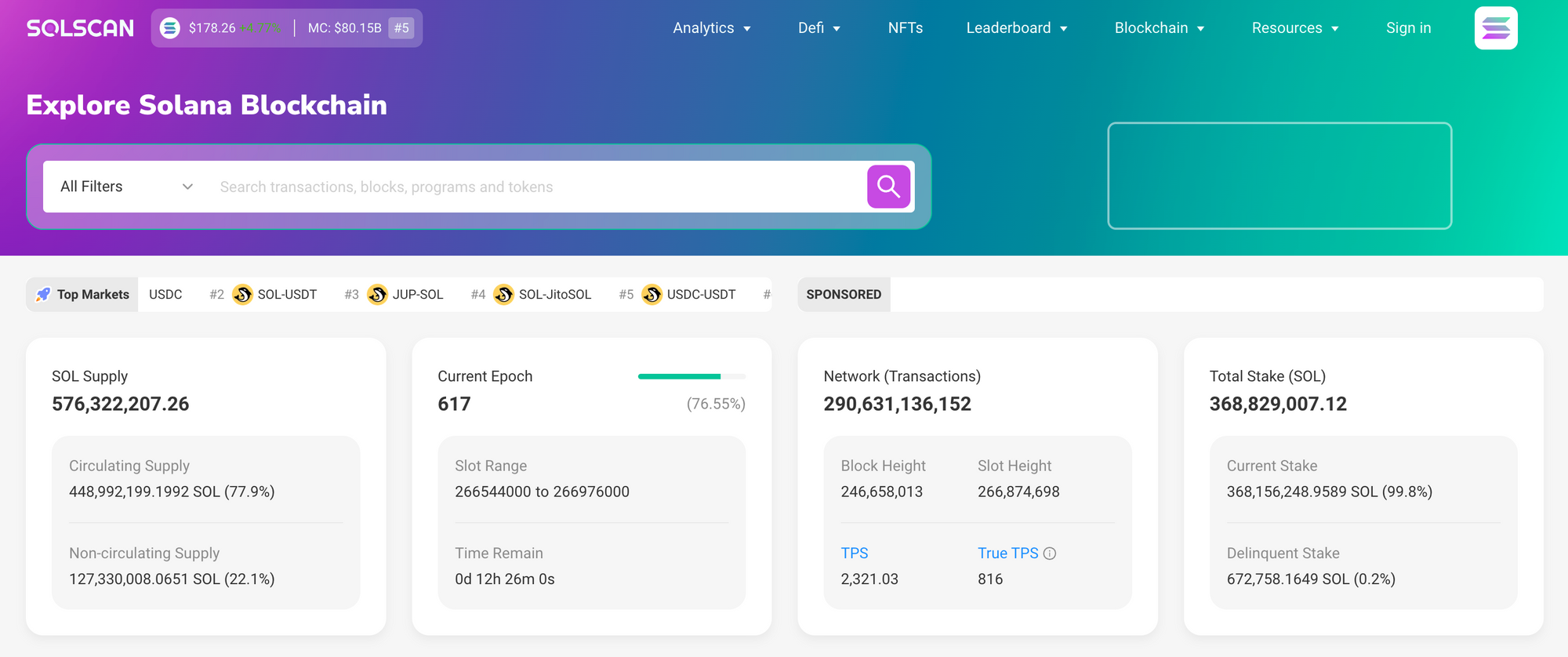
Okay, so check this out—if you want a practical first stop try an explorer that balances trace depth with UI clarity. In my workflows I use a mix: quick token lookup, then deep trace for failures. For an approachable, feature-packed starting point that supports token tracking, transaction tracing, and clear holder analytics without forcing you to spin up infrastructure, the solscan explorer official site is a solid choice for most Solana users. It saved me hours when I was untangling a multi-step program interaction.
I’m not 100% sure, but…
No single explorer is perfect for every use case. On one hand you want speed and simplicity for routine checks, though actually when you chase bugs or audit token flows you need depth, raw logs, and the ability to export or query program state directly, and that tension means you often adopt two or three tools in tandem. My recommendation: pick one primary explorer and one deep-dive tool. Final note: keep an eye on program upgrades, monitor compute trends, and treat explorers as your binoculars — they reveal the landscape but don’t replace on-chain reasoning and careful contract review when you must trust or move funds.
FAQ
How do I find inner instructions for a failed transaction?
Look for the transaction trace or instruction log in the explorer UI; expand the transaction and examine inner instructions and program logs (if visible). If you see a CPI, follow the called program’s logs to find the root cause. If the explorer hides inner instructions, try a different tool or query the RPC directly.
Can token trackers help with rug-checking or holder concentration?
Yes — token trackers that list top holders, show recent transfers, and reveal supply changes make it easier to assess concentration risk. Combine that data with on-chain checks for vesting schedules and program-controlled accounts to get a fuller picture.