
Whoa, seriously though. I opened my browser and felt a tiny jolt of curiosity. Solana’s speed had been on my mind all week, so I clicked around. At first glance the wallet looked clean, like most modern browser extensions do. But the more I poked under the hood, checking token balances, signing messages, and experimenting with NFTs, the more I realized wallet choice matters in ways many guides gloss over.
Hmm, somethin’ felt off. Fees were tiny, yes, but UX quirks kept popping up unexpectedly. I wanted a DeFi wallet that moved fast and stayed safe. I also wanted a sensible NFT wallet that didn’t scare collectors away. User onboarding, extension permissions, account recovery—these are the subtle friction points that determine whether newcomers stick around or bail when things get confusing or risky.
Really? Wow, okay. Initially I thought all wallets were roughly the same under the hood. I had used a couple that pretended to be simple but hid advanced settings. My instinct said the small differences in confirmations and signing flows matter. On one hand speed and simplicity win users quickly, though actually secure handling of private keys and clear consent flows are the things that prevent costly mistakes when interacting with DeFi contracts or minting NFTs, which many casual guides skim over.
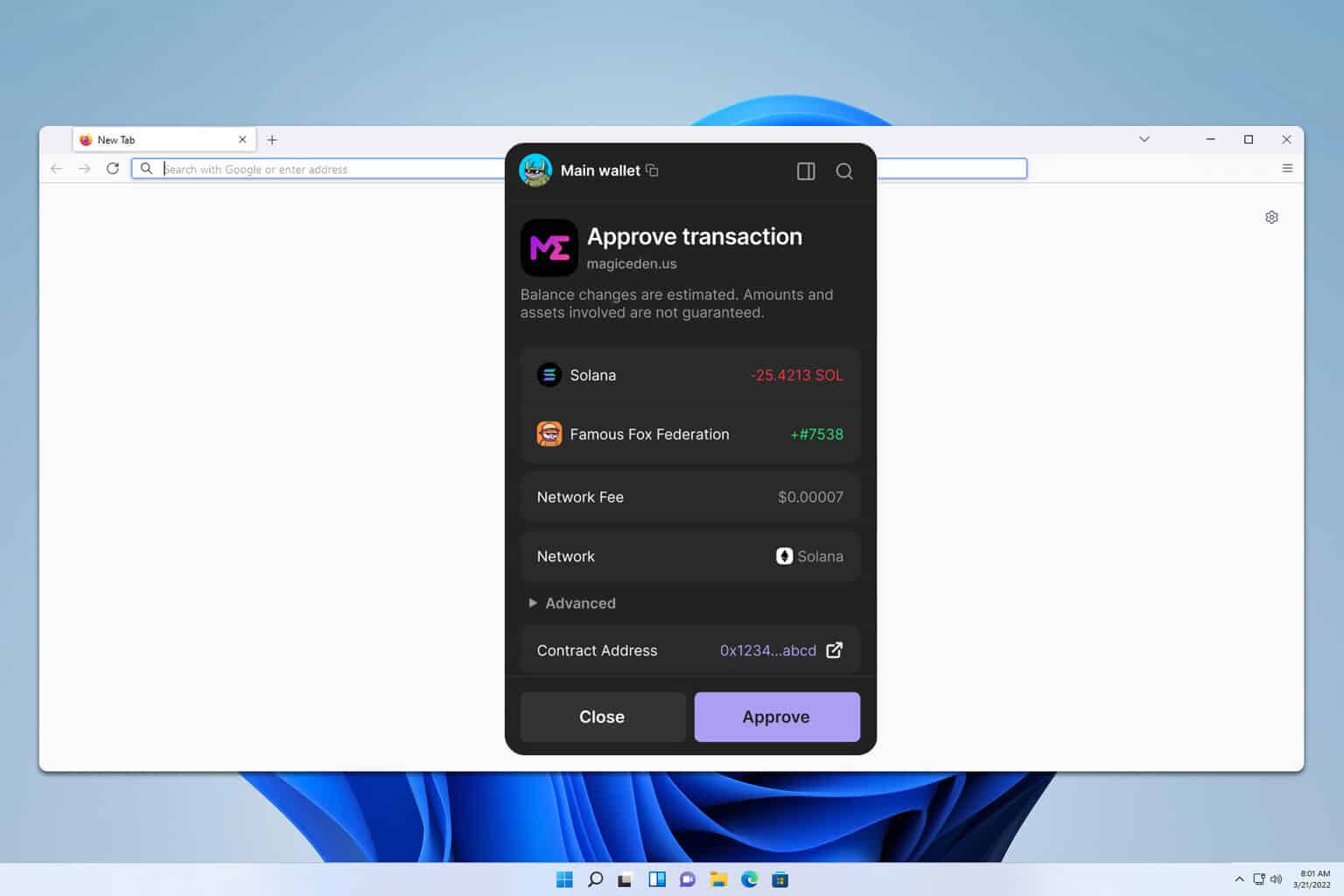
Whoa, that’s honest. Here’s what bugs me about many wallets: cryptic permissions dialogs. A dialog should explain what a dApp can do with your tokens, not just present checkboxes. That matters when you’re approving a DeFi contract to spend tokens or listing an NFT. So I started comparing popular browser extension wallets for Solana, testing how they explain allowances, how easy it is to revoke them, and whether transaction previews were meaningful instead of inscrutable hex and dry gas estimates.
Okay, so check this out— Phantom stands out in a few ways that matter day to day to regular users. It balances clean design with clear request prompts and helpful transaction metadata. It integrates staking flows, NFT galleries, and quick swaps inside the extension itself. I’m biased because I’ve used it for months, but Phantom’s blend of UX polish and Solana-native features makes it a strong pick whether you’re into DeFi lending, yield farming, or NFT collecting. (oh, and by the way… small things like an intuitive NFT gallery make a big difference to collectors.)
Getting practical: Phantom as a DeFi and NFT hub
Hmm, not perfect but useful. I recommend grabbing the extension from a trustworthy source and checking the permissions. If you want to try it, install the phantom wallet and experiment with small amounts first. Watch the approval screens; revoke allowances in settings when you’re done. Also, keep a separate seed phrase backup offline, consider using hardware wallets where supported, and be cautious with airdrops or unknown dApps since that’s where social-engineering attacks often begin for newer users who haven’t hardened their setup.
My instinct said proceed slowly. DeFi and NFTs are fun, but mistakes can cost real money quickly. Check contract addresses before interacting and prefer reputable marketplaces for minting. Use network explorers to verify transaction hashes when things feel off. On the technical side, Solana’s account model differs from EVM chains, so some security patterns and wallet behaviors will be unfamiliar if you’re coming from Ethereum, which is worth noting before you port strategies across chains.
I’m not 100% sure. I’ll be honest: this part bugs me when people treat wallets like interchangeable tools. Choosing a browser extension wallet is a balance of trust, convenience, and feature fit. If UX matters, and you like NFTs or frequent DeFi interactions, the right extension saves time and reduces scary mistakes. So give the Phantom path a test run if it aligns with your needs, but keep your guard up, use small amounts at first, and remember that decent security hygiene is the difference between a good night sleep and a very bad morning—seriously…
FAQ
Is Phantom safe for DeFi?
Wow, careful though. Phantom implements standard browser-extension safeguards and clear signing prompts. Still, you need to practice good key hygiene and avoid suspicious links or downloads.
Can I use Phantom for NFTs and staking?
Can it handle NFTs and DeFi flows smoothly for collectors and traders? Yes, but always test with small amounts, review approvals carefully, and consider hardware wallet integration for larger holdings to add an extra layer of private-key protection beyond software-only extensions.